
September 23, 2025
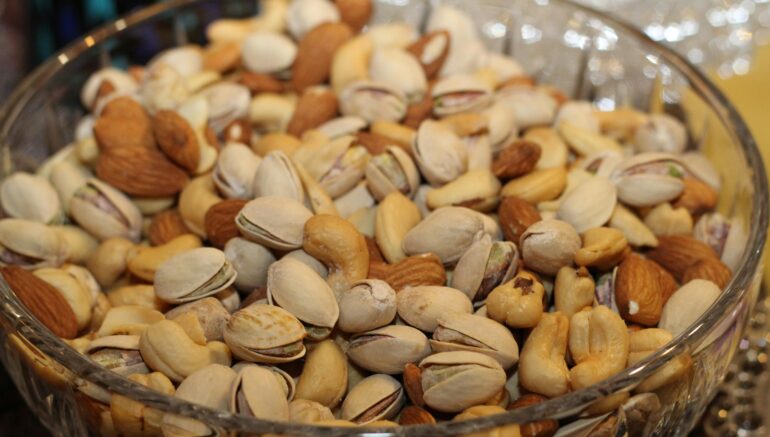
We all love munching on a handful of nuts — whether it’s almonds, cashews, or pistachios. They’re tasty, convenient, and packed with nutrients. But have you ever wondered how nuts fit into an Ayurvedic lifestyle?
In Ayurveda, food isn’t just fuel — it’s medicine. Every ingredient you eat has an energetic quality that can either balance or disturb your body. Nuts, in particular, are considered deeply nourishing when eaten the right way.
Let’s take a closer look at how Ayurveda views nuts, which ones are best for your dosha, and how to enjoy them in a way that supports your health and digestion.
🌿 What Ayurveda Says About Nuts
According to Ayurvedic principles, nuts are:
- Heavy
- Grounding
- Oily
That makes them especially beneficial for Vata types (who tend to be dry, cold, and restless) and Pitta types (who burn hot and intense). But because of their heaviness, nuts can sometimes aggravate Kapha (which is already earthy and oily).
That doesn’t mean Kapha types should avoid nuts entirely — but they should eat them in moderation and make smart choices.
🧠 Quick Guide: Common Nuts in Ayurveda
Here’s how some of the most popular nuts affect each dosha:
| Nut | Vata | Pitta | Kapha | Ayurvedic Tip |
|---|---|---|---|---|
| Almonds | 👍 | 👍 | ⚠️ | Soak overnight and peel before eating |
| Cashews | 👍 | 👌 | ⚠️ | Eat lightly roasted, not raw |
| Walnuts | 👍 | 👌 | ⚠️ | Great for the brain and joints |
| Pistachios | 👌 | 👍 | ⚠️ | Good in moderation |
| Peanuts | ⚠️ | ⚠️ | ❌ | Heavy and congestive — not for everyone |
🕉️ How to Eat Nuts the Right Way (According to Ayurveda)
Here’s where Ayurveda really shines. It’s not just what you eat, but how you eat it.
✅ 1. Soak Your Nuts
Soaking nuts (especially almonds and walnuts) overnight helps:
- Improve digestibility
- Reduce heat (Pitta)
- Remove natural enzyme inhibitors
In the morning, peel the skin off soaked almonds for best results.
✅ 2. Avoid Eating Raw, Cold Nuts
Raw nuts can be heavy on the digestive fire (Agni). Lightly roast them or warm them in a little ghee with spices like cinnamon or cardamom.
✅ 3. Don’t Overeat
It’s easy to overdo it with nuts — they’re calorie-dense. Ayurveda recommends a small handful a day. That’s enough to get the benefits without overwhelming your digestion.
✅ 4. Eat Them at the Right Time
- Morning or early afternoon is best.
- Avoid eating nuts late at night — they’re heavy and take time to digest.
✅ 5. Pair With Digestive Spices
Try warming nuts in ghee with:
- Cardamom (cooling, calming)
- Cinnamon (stimulates digestion)
- Turmeric (anti-inflammatory)
💪 Benefits of Nuts in an Ayurvedic Diet
When eaten properly, nuts can:
- Build Ojas (your vital energy and immunity)
- Support brain function
- Help with joint lubrication
- Calm Vata-related anxiety and dryness
- Nourish the reproductive system
They’re considered Sattvic (pure and life-enhancing) when fresh and natural — not overly processed or flavored.
⚠️ When to Be Careful
Ayurveda reminds us that even healthy foods can cause imbalance if misused. Avoid nuts if:
- You’re on a detox or Panchakarma cleanse
- You’re experiencing Ama (toxins) or sluggish digestion
- You have a Kapha imbalance (congestion, excess weight, etc.)
🌰 Final Thoughts
Nuts are a wonderful example of nature’s intelligence — packed with healthy fats, protein, and prana (life energy). But like everything in Ayurveda, balance is key. When you choose the right nuts for your body type and prepare them properly, they become a powerful ally in your journey to vibrant health.
So next time you grab a handful of almonds or enjoy a creamy cashew curry, remember: you’re not just feeding your body — you’re nurturing your whole being.